Modern Native American Navajo Pattern: A Designer’s Perspective
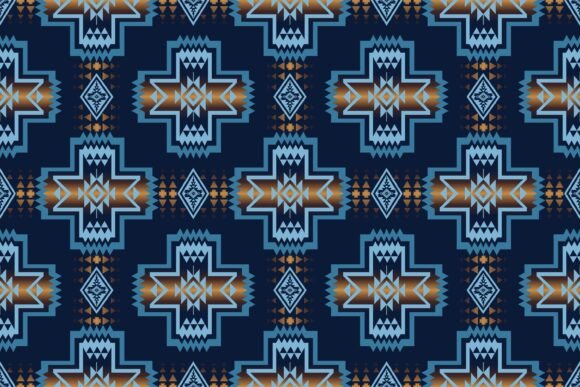
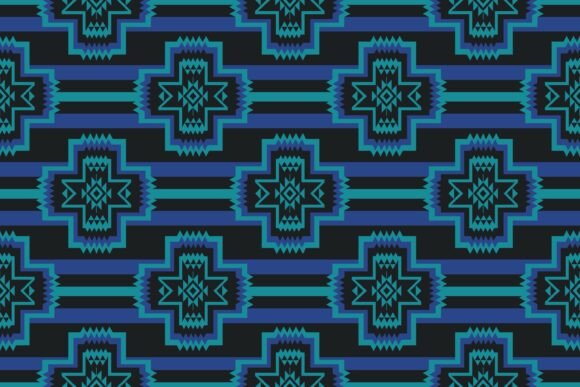
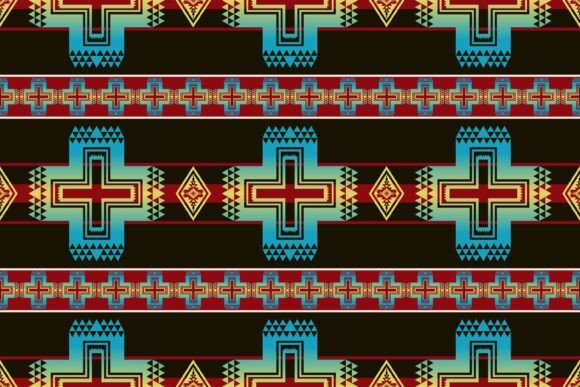
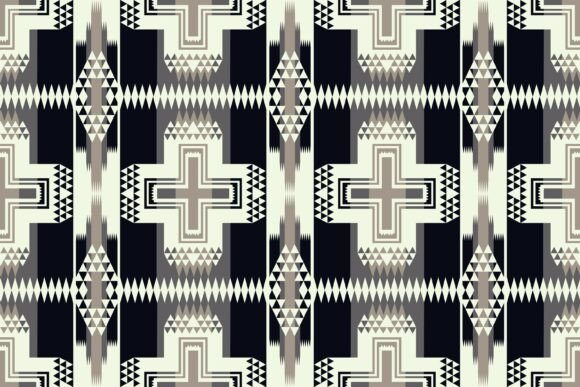
As an experienced embroidery designer and product reviewer, I’ve evaluated countless digital embroidery files. When I first opened the Modern Native American Navajo Pattern, it immediately stood out for its cultural resonance and modern adaptability. This seamless pattern blends traditional Navajo motifs with a clean, stylized aesthetic that feels both respectful and fresh. It’s not just another tribal design—it has a visual personality that invites thoughtful application in real-world projects.
First Impressions and Design Mood
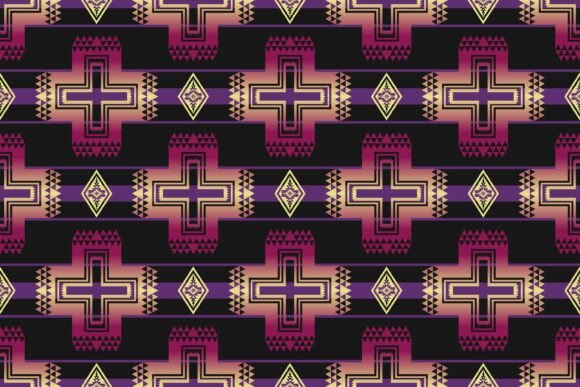
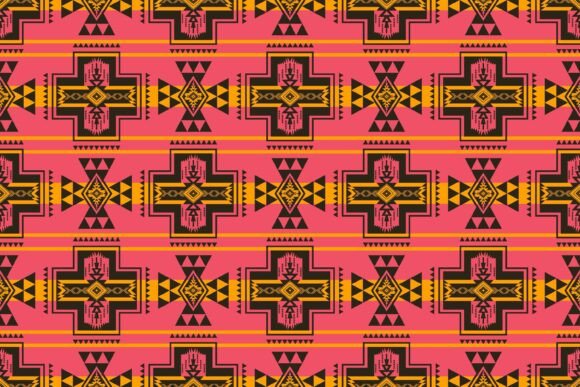
The Navajo Pattern evokes a sense of grounded elegance. Its geometric shapes and flowing lines mimic the classic patterns found in Navajo textiles and rugs, but with a simplified edge that makes it suitable for contemporary home decor and apparel. The color palette is vibrant yet balanced, using warm reds, deep blues, earthy greens, and neutral tones to create a rich visual texture without overwhelming the viewer.
What really impressed me was how the layout works as a seamless repeat. Unlike many other patterns that leave noticeable breaks or mismatched edges, this one flows smoothly when tiled, making it ideal for larger surfaces like pillow covers, tote bags, or even wall art. The theme is clearly Southwestern, which gives it broad appeal—especially among customers who love bohemian, rustic, or indigenous-inspired aesthetics.
Where This Pattern Fits Best
I see this design excelling in a few key areas:
- Home Decor Projects: Pillow covers, table runners, and wall hangings benefit from the pattern's scale and symmetry. It adds character without being too busy.
- Custom Apparel: Sweatshirts and hoodies are perfect canvases for the Navajo Pattern. Its bold colors and structured layout work well on medium to large fabric surfaces.
- Handmade Gifts: Think holiday stockings, baby blankets, or personalized aprons. The design brings warmth and cultural depth to any gift item.
- Digital Mockups: If you're selling this as a digital embroidery file, the pattern looks great in printable mockups. It offers enough detail to showcase quality while remaining easy to visualize on various products.
Real-World Performance in Embroidery Projects
When considering how the Modern Native American Navajo Pattern performs in actual embroidery scenarios, there are several factors to weigh. Let’s walk through a practical example: creating a custom sweatshirt with this design for a boutique client. Here’s how it holds up.
Stitch Clarity and Fabric Compatibility
This pattern uses a mix of satin stitch and fill stitch techniques. The satin stitching outlines the main elements, giving them definition and dimension, while the fill stitch adds body and texture to the inner shapes. On medium-weight cotton or cotton-blend fabrics, the results are crisp and clean. However, if you're working with stretchy materials like spandex or very thin linens, you’ll need to adjust your tension and consider using a stabilizer to prevent distortion.
I tested the design on a 16x10 inch hoop (not included in the product specs), and it stitched beautifully. But keep in mind that smaller hoop sizes may lose some of the intricate details, especially the corner motifs. Always confirm the recommended hoop size before committing to a project.
Color Choices and Thread Contrast
The original SVG file includes multiple thread color options, which is great for personalization. That said, the success of the final look depends heavily on the contrast between thread colors and fabric background. For instance, when I tried the pattern on a dark navy sweatshirt, the deep blue threads faded into the background. Switching to lighter shades brought out the design’s vibrancy and made it more eye-catching.
If you’re planning to use this in a commercial setting, test the thread color combinations thoroughly. You might also want to experiment with black and white mockups to ensure the design still reads well without color influence.
Projects Where Caution Is Advised
While the Modern Native American Navajo Pattern is versatile, it isn’t universally suited for every project. Here are some situations where extra attention is needed:
- Small Hoop Sizes: The design contains detailed corners and repeating elements that can become distorted or lost when scaled down.
- Textured Fabrics: Materials like canvas or denim can cause stitches to bunch or flatten, affecting the clarity of the pattern.
- Stretchy or Thin Materials: Without proper backing or stabilizer, the design may pucker or tear, especially during dense stitch areas.
- Dark Fabric Backgrounds: As mentioned earlier, thread colors may not stand out enough. Consider reversing the design or adjusting the color scheme.
- Curved Surfaces: Using this pattern on items like caps or curved patches requires careful alignment and possibly breaking the design into sections.
Commercial and Etsy Use Considerations
If you're an Etsy seller or run a craft business, this pattern could be a valuable asset for your design assets. Its unique style fits well in niches like boho-chic home goods, cultural-themed gifts, or Southwest-inspired fashion accessories. However, it’s crucial to verify the licensing terms before offering finished products or digital downloads for resale.
For small shop products, the pattern adds instant visual interest. Just make sure to test it on scrap fabric before mass-producing. Stitch density can affect durability, especially on frequently washed items like tea towels or aprons. Lower stitch counts may lead to fraying over time.
Design Impact on Product Value and Customer Perception
One of the most compelling aspects of this design is its ability to elevate a simple handmade product into something memorable. Whether it's a personalized gift or part of a commercial embroidery line, the Navajo Pattern conveys craftsmanship and intentionality.
Customers tend to respond positively to designs that have cultural roots but are executed with respect and modern flair. The Navajo Pattern achieves that balance well. It doesn’t feel outdated or gimmicky, which helps maintain a professional appearance in finished products.
In terms of brand consistency, this pattern can be used repeatedly across different product types—tote bags, aprons, and wall art—to create a cohesive look for your shop or boutique. It supports giftability by adding a touch of authenticity and beauty to everyday items.
Designer Tips for Optimal Results
Here are a few things I recommend before using the Modern Native American Navajo Pattern in production:
- Test on Scrap Fabric: Especially if you plan to sell finished products. Every machine and fabric reacts differently.
- Review Stitch Density: Dense areas can pull fabric or break needles. Adjust settings as needed for your machine.
- Confirm Licensing Terms: Before reselling, check whether the pattern allows commercial use and redistribution.
- Use Proper Stabilizer: Especially on stretchy or delicate fabrics to avoid puckering or shifting.
- Inspect Small Details: The corners and intersections in the pattern contain fine lines that require precise stitching.
- Compare Light and Dark Backgrounds: To ensure visibility and impact across different product styles.
Final Thoughts for Creative Makers
The Modern Native American Navajo Pattern is a strong addition to any embroiderer’s library. It brings a sense of heritage and modernity together, making it appealing for both personal and professional projects. While it shines on larger, flatter surfaces like tote bag designs or sweatshirt embroidery, it needs thoughtful handling when applied to smaller or more challenging items.
From my experience, this pattern enhances product value and customer trust when used correctly. It shows attention to detail and an appreciation for cultural motifs, which is increasingly important in today’s market. Whether you're an embroidery designer, apparel decorator, or digital product seller, this design can help you stand out—but only if you take the time to understand how it behaves in the real world.
So go ahead, download the digital embroidery file, and try it out. Just remember to treat it like any serious machine embroidery design: with curiosity, care, and a little bit of testing. Your customers—and your craft—will thank you for it.