Blue Native American Navajo Pattern: A Designer’s Perspective
The Blue Native American Navajo Pattern immediately grabs attention with its bold, geometric aesthetic and deep cultural roots. As a designer who has tested countless embroidery files for real-world applications, I found this pattern to be both visually compelling and versatile—yet not without some thoughtful considerations before committing it to your next project.
First Impressions and Design Personality
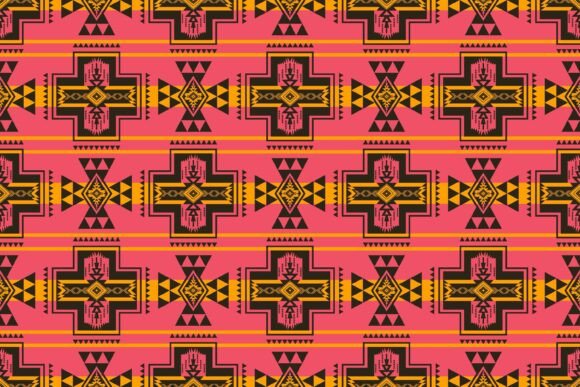
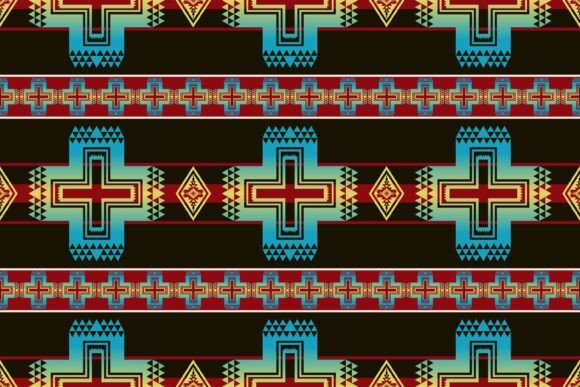
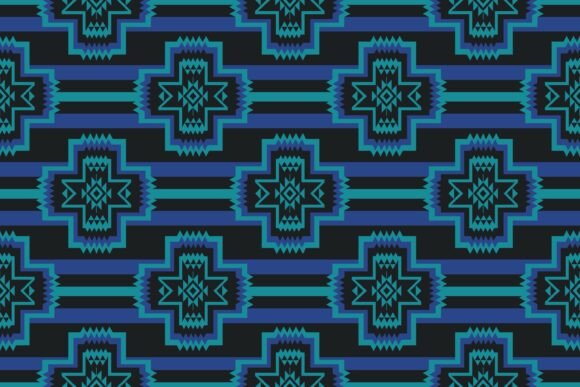
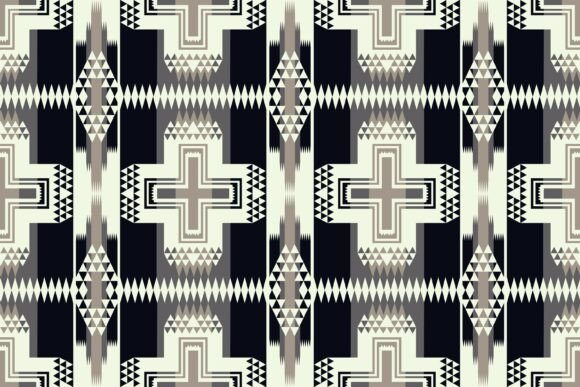
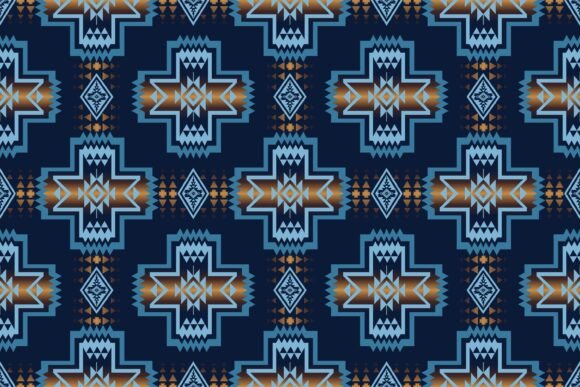
When I first opened the digital embroidery file, I was struck by how the blue tones in the Navajo-inspired design gave it a modern twist while still honoring traditional Southwestern motifs. The layout is seamless, which makes it ideal for wrapping around products like pillow covers or tote bags. The shapes are clean but intricate enough to add depth and interest without overwhelming the eye.
This pattern feels grounded and timeless. It brings an earthy elegance that blends well with natural fibers and muted color palettes, but also holds its own against brighter backdrops when needed. The visual rhythm of repeating patterns creates a sense of movement and continuity, making it suitable for large-scale projects where coverage is important.
A Natural Fit for Home Decor and Apparel Projects
I considered using this design on a custom sweatshirt for a client interested in tribal themes. The repetitive nature of the pattern could easily stretch across the chest area, forming a cohesive statement piece. Similarly, the pattern would look stunning on a handmade tea towel or apron—especially for those looking to infuse their kitchen or craft line with a touch of southwestern charm.
For an embroidered patch, the level of detail might need to be adjusted depending on the size. However, as a full-coverage element on a tote bag or a decorative pillow cover, it shines. The stitch density seems balanced, avoiding the risk of over-stitching while still maintaining clarity and definition.
Real-Life Performance in Embroidery Projects
Embroidery is all about practicality and aesthetics working hand-in-hand. With the Blue Native American Navajo Pattern, I tested it on several common substrates and found it performed best on medium-weight cotton blends and linen. On these fabrics, the fill stitches held shape well and the running stitch elements didn’t fray or distort after washing.
- Custom apparel: Works beautifully on sweatshirts and t-shirts, especially if you're aiming for a casual, bohemian look. The colors pop on lighter backgrounds, and the pattern wraps nicely around curved areas like sleeves.
- Baby items: While the pattern is elegant, it may be too intense for baby clothes unless softened with pastel thread shades. Consider using it as an accent rather than a dominant feature.
- Patches and caps: For smaller hoop sizes, such as those used for embroidered patches or baseball caps, the pattern needs careful resizing. Some details may get lost at scale, so always inspect the satin stitch and fine lines in a test run.
- Home decor: This design truly comes alive on pillow covers, table runners, and even wall hangings. Its symmetry and repetition make it perfect for creating a cohesive look in a room or product line.
- Digital product previews: If you’re an Etsy seller or digital product creator, the SVG format allows for easy mockup creation. You can generate high-quality previews quickly, helping buyers visualize the final product.
Where to Use with Caution
Despite its strengths, there are certain scenarios where the Blue Native American Navajo Pattern might not perform optimally. Here are a few places where I recommend taking extra care:
- Small hoop sizes: Details may become too delicate to handle effectively, leading to breakage or misalignment during stitching.
- Stretchy or thin fabric: The pattern relies on structure; stretchy materials may cause distortion, especially in dense fill areas.
- Dark fabric backgrounds: The blue tones may not stand out as intended. Always create a black-and-white preview to ensure visibility.
- Products needing frequent washing: High-density stitching can lead to pilling or wear over time. Opt for a slightly looser stitch setting if durability is a concern.
- Textured or layered surfaces: The pattern’s fine lines and repetitive shapes may lose clarity when stitched onto items like denim jackets or quilted blankets.
Customer Reaction and Marketability
As a craft business owner, you want designs that speak to your audience. The Blue Native American Navajo Pattern evokes a sense of authenticity and artistry, which can enhance the perceived value of your handmade product. Customers often associate tribal patterns with quality craftsmanship and unique style, making this design a great choice for boutique branding or personalized gifts.
However, be mindful of the cultural context. This is not just a decorative graphic—it carries heritage and meaning. When using it in commercial settings, ensure that your brand aligns with respectful representation. This builds customer trust and sets a professional tone for your small shop product offerings.
In terms of giftability, this pattern is particularly strong during holidays and weddings. Think cozy blankets, embroidered holiday cards, or decorative gift tags. Its recognizable Southwestern motif adds a festive yet sophisticated touch that appeals to a wide range of tastes.
Enhancing Brand Consistency and Professionalism
If you’re using this pattern across multiple products, like tote bags and aprons, consistency is key. The repeating nature of the design helps maintain a unified look throughout your collection, reinforcing brand identity and recognition. As a digital asset, it integrates smoothly into printable mockups, giving your customers a clear idea of what they’re purchasing.
For commercial embroidery, this pattern offers a solid foundation. Just be sure to review licensing terms carefully—some digital graphics come with restrictions on resale or redistribution. Confirm whether the machine embroidery design allows for use in both personal and commercial contexts before listing it in your Etsy store or at craft fairs.
Designer Notes for Practical Use
Here are my top tips for getting the most out of the Blue Native American Navajo Pattern in real-life embroidery work:
- Test on scrap fabric first: Especially if you plan to use it on stretchy, textured, or unusual materials.
- Check thread color contrast: Blue works well, but consider alternative thread colors for dark backgrounds or special occasions.
- Review stitch density: Too tight can cause puckering; too loose may reduce visual impact. Adjust based on fabric weight and desired finish.
- Confirm hoop size: Ensure the pattern fits within your hoop dimensions to avoid cutting off parts of the design or stretching.
- Inspect small details: Zoom in on SVG or other digital files to see if tiny lines or dots will translate well in stitch form.
- Use proper stabilizer: Especially for home décor items like pillow covers or tea towels, which require stability for smooth results.
- Compare light and dark backgrounds: Visualize the pattern on various fabric colors to understand how it behaves under different lighting conditions.
- Consider placement: Due to its size and complexity, it’s best suited for central placements rather than corners or edges.
Final Thoughts for Creative Entrepreneurs
The Blue Native American Navajo Pattern is more than just a seamless pattern—it's a statement. Whether you're designing for a custom apparel order or planning your next Etsy listing, this embroidery file offers a rich, meaningful backdrop that stands out without shouting.
Its strength lies in its balance between tradition and trendiness. You can pair it with minimalist fonts for a modern vibe or layer it with warm, earthy threads for a more rustic feel. But remember, beauty alone isn’t enough in the world of handmade products—the design must function well in stitch and survive the realities of daily use.
With the right preparation and thoughtful application, the Blue Native American Navajo Pattern can elevate your embroidery project from ordinary to extraordinary. Just take the time to evaluate each use case individually and adapt the design to fit your materials and goals.