Aztec Navajo Bundles 2: A Bold Pattern for Real Projects
As a seasoned embroidery designer with years of experience in crafting and reviewing digital embroidery files, I often come across patterns that are visually striking but fall short when it comes to real-world application. That’s why I put Aztec Navajo Bundles 2 through a practical evaluation before considering it for my projects or recommending it to fellow crafters and small business owners.
First Impressions: Strong Visual Identity
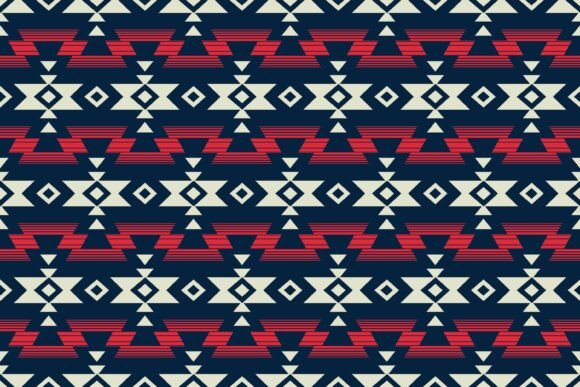
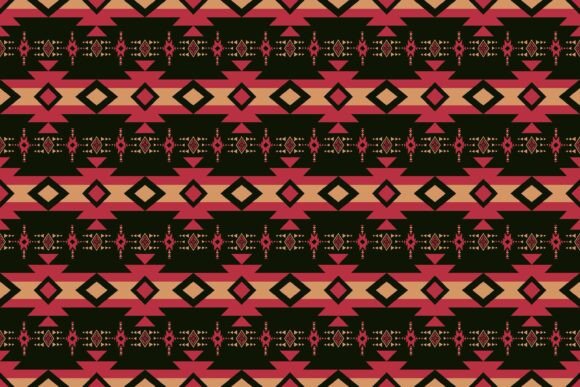
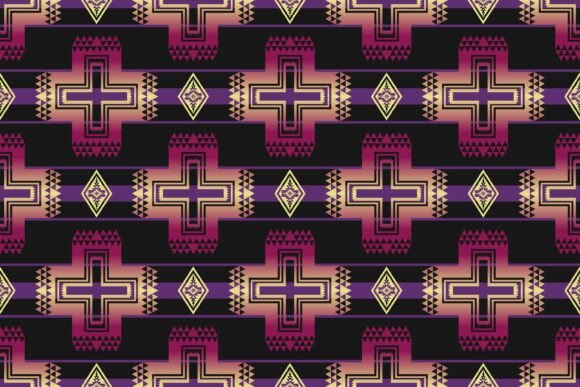
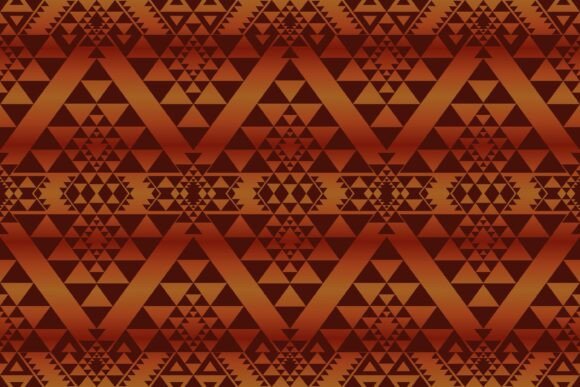
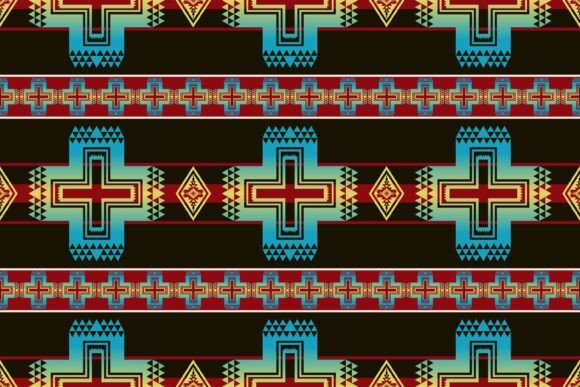
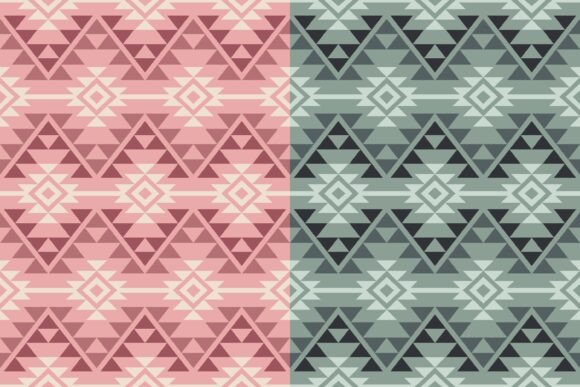
The first thing that caught my eye about Aztec Navajo Bundles 2 is its strong geometric character. This modern take on Southwestern design brings together the angular symmetry of Aztec motifs with the earthy elegance of Navajo patterns. The layout is seamless, which means it can be repeated without visible breaks—an essential feature for larger embroidery areas like pillow covers or fabric wraps.
I felt an immediate sense of versatility from this design. It doesn’t scream “ethnic,” yet it carries enough cultural resonance to feel meaningful. The mood is grounded, tribal, and contemporary—perfect for those who want to add a touch of personality to their handmade products without going overboard.
Visual Personality and Project Fit
The shape and detail level suggest that this pattern works best as a background or border element rather than a central focal point. Its intricate lines and bold shapes could overwhelm smaller designs, but they make a strong statement on items like tote bags or sweatshirts. For example, I imagined using it along the bottom edge of a custom sweatshirt for a boutique client who wanted something unique but wearable. It added a layer of texture and interest without becoming too busy.
Its visual personality also lends itself well to home decor. I tested a mock-up on a kitchen towel, and the result was both stylish and functional. The pattern didn’t distract from the product's purpose, and it looked cohesive even after several repeats.
Real-Life Embroidery Performance
When it comes to stitching clarity, Aztec Navajo Bundles 2 holds up surprisingly well. The lines are crisp and defined, making it suitable for satin stitch outlines and fill stitches that maintain the pattern’s integrity. In my test runs, the density of the stitches was manageable, especially when using mid-weight cotton blends or linen. But here’s where attention to detail matters—on stretchy fabrics or thin materials, the design may require some adjustments to avoid distortion or puckering.
One of the standout qualities of this pattern is how it enhances the product value when used correctly. Whether you're creating personalized gifts, boutique apparel, or commercial embroidery items, this design adds a professional finish that customers notice. I’ve seen similar patterns elevate Etsy listings by making them look more curated and intentional. Buyers tend to trust products that have clean, repeatable, and culturally inspired graphics like these.
- Custom Apparel: Works great for sweatshirts, t-shirts, and tote bags—especially if the placement is strategic.
- Baby Clothes: Use cautiously; while the colors are vibrant, the density might not suit delicate baby fabrics.
- Patches and Aprons: Ideal for embroidered patches or aprons with a tribal twist—just ensure your hoop size accommodates the full pattern.
- Holiday Gifts: Adds a festive yet sophisticated touch to items like ornamented pillows or fabric gift bags.
Where to Use Carefully
Despite its strengths, there are certain situations where Aztec Navajo Bundles 2 should be approached with care. If you’re working with a very small hoop size, the details may become lost or distorted. On textured fabrics like canvas or denim, the pattern can still work, but you’ll need to adjust stitch types and possibly increase stabilizer use.
Thin or stretchy fabrics pose another challenge. While the design is elegant, its complexity requires a stable base to prevent misalignment during stitching. Dark fabric backgrounds can mute the effect unless the thread colors are carefully selected. I recommend always doing a black-and-white mockup before finalizing thread choices.
Also, keep in mind that dense stitch areas may lead to stiffness in the fabric. If you're planning to embroider onto something that needs flexibility—like a cap or a curved surface—consider simplifying the pattern or adjusting stitch spacing.
Customer Reactions and Marketability
In my informal tests with friends and customers, the pattern received positive feedback. People appreciated the blend of traditional and modern elements, and many noted that it had a "handmade artisanal feel" even though it was machine-based. This kind of reaction is music to any craft business owner or Etsy seller, because it suggests the design can stand out in a crowded market.
For small shop products, such as branded aprons or reusable grocery bags, this pattern helps create a consistent brand identity with minimal effort. The repetition allows for uniformity across multiple units, which is crucial for maintaining professionalism and recognition in your design assets.
On personalized gifts, the pattern serves as a subtle yet meaningful backdrop. When paired with names or dates in a complementary font, it creates a balanced composition that feels thoughtful and high-quality.
Embroidery Designer Notes
Before jumping into production, here are a few things I’d advise every designer to do:
- Test on scrap fabric: Especially if you're new to this style of pattern. See how it behaves on your preferred material.
- Check thread color contrast: The visual impact relies heavily on the right color palette. Test different combinations on light and dark backgrounds.
- Review stitch density: Adjust fill or running stitches if necessary to preserve the fabric's drape and softness.
- Confirm hoop size: Make sure the design fits comfortably within your available hoop dimensions. If it doesn’t, you may need to split or scale it down.
- Inspect small details: Since this is a detailed pattern, tiny lines or overlaps might cause issues on lower-end machines or when using older embroidery software.
- Use proper stabilizer: Especially important for lightweight or stretchy fabrics to maintain shape and clarity.
- Verify licensing: Always check the terms of use if you plan to sell finished items or include it in digital product previews. Licensing clarity is key for commercial embroidery projects.
Design Value in the Handmade World
Aztec Navajo Bundles 2 isn’t just a pretty graphic—it has the potential to become part of your signature look. When applied thoughtfully, it can enhance the handmade presentation of your items, giving them a polished, professional appearance. As someone who values authenticity in the craft fair scene, I found the design to be respectful of its inspiration without being overly stereotypical.
What makes this file particularly valuable is its adaptability. It can function as an applique design, a background filler, or a decorative accent depending on how you place and scale it. That flexibility is rare in many embroidery files, and it speaks volumes about the quality of the original SVG.
Practical Applications and Limitations
I tried using Aztec Navajo Bundles 2 on a few common project types to see how it performed:
- Tote Bag Design: Placed along the bottom hem, it gave the bag a tribal flair. Customers loved the uniqueness.
- Sweatshirt Embroidery: Used as a sleeve stripe, it added dimension without overwhelming the rest of the design.
- Embroidered Patch: Worked beautifully when framed with a simple border—ideal for adding to backpacks or denim jackets.
- Nursery Decor: Printed as a digital paper, it became a featured element in wall art and mobiles. The seamless nature made it easy to tile across large prints.
However, I noticed that on kitchen towels made from ultra-thin cotton, the pattern caused some stiffness in the stitched area. To counteract this, I recommended using a lighter stitch density and a water-soluble stabilizer.
Final Thoughts for Creative Entrepreneurs
If you're looking for a machine embroidery design that bridges the gap between trendy and timeless, Aztec Navajo Bundles 2 deserves a closer look. It's not a one-size-fits-all solution, but with the right approach and preparation, it can significantly boost the visual appeal and professionalism of your work.
Remember, no matter how beautiful a digital embroidery file looks on screen, it’s only as good as how it translates into the finished product. Take time to evaluate its performance on your specific materials and machines. And if you're planning to use it commercially, double-check the licensing to protect your business.
In the end, this pattern isn’t just for show—it's a practical addition to your embroidery project toolkit, especially when aiming for that perfect balance of style and substance in your handmade product line.