Colorful Southwestern Seamless Pattern Review for Real Projects
As a seasoned embroidery designer and product reviewer, I always take a step back before jumping into any new design. I want to see how it behaves in real-world scenarios—how it stitches, how it looks on fabric, and whether it adds value to the final product. Colorful Southwestern Seamless Pattern caught my attention with its cultural flair and vibrant geometry, but does it hold up under practical scrutiny? Let’s dive in.
First Impressions: A Bold Cultural Statement
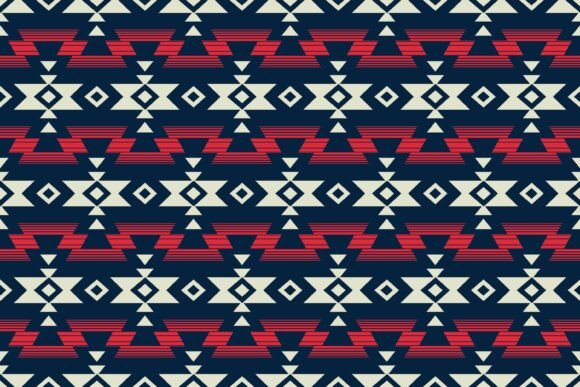
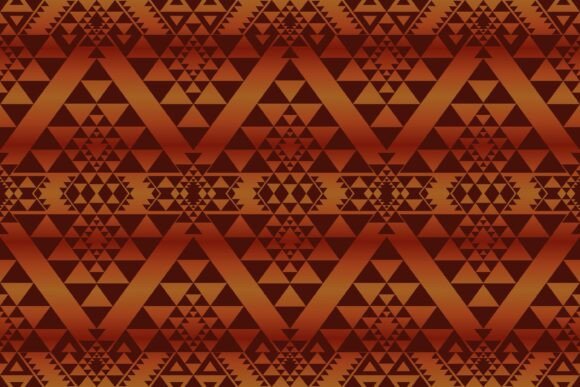
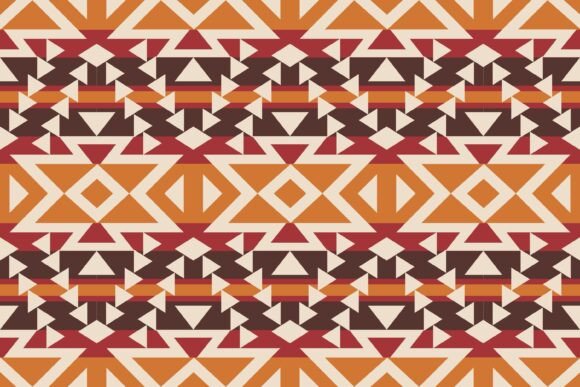
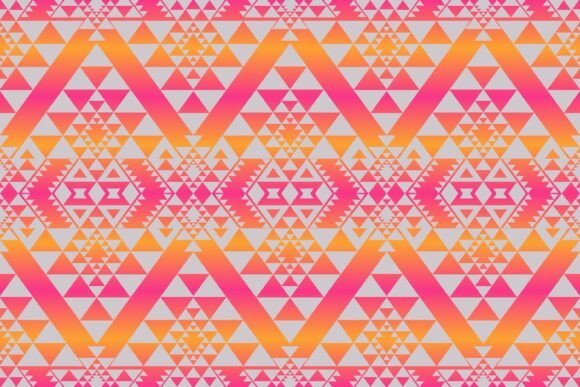
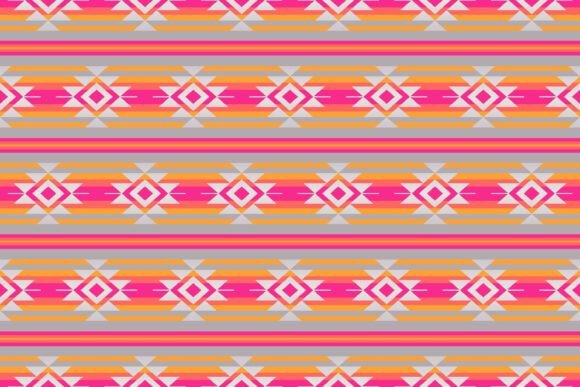
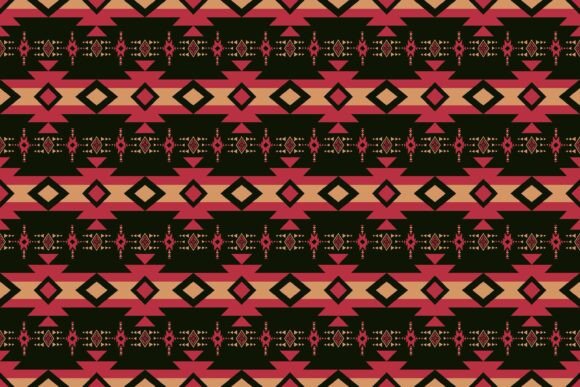
The moment I opened the digital file for Colorful Southwestern Seamless Pattern, I was struck by its visual energy. This isn’t a subtle or minimalist design—it’s a celebration of color and pattern, clearly inspired by Native American and Aztec motifs. The layout is seamless, which means it can tile endlessly without visible breaks, making it ideal for backgrounds or large-scale projects.
Its mood is warm and tribal, with a touch of modernity. The shapes are angular and geometric, giving it an authentic Southwestern feel while maintaining a clean enough aesthetic that won’t overwhelm contemporary styles. The detail level is moderate, with intricate lines and repeating elements that offer visual interest without becoming too busy.
Real-Life Application: What Works Well?
I recently used this design as part of a custom sweatshirt project for a boutique client. They wanted something that felt handmade yet professional—a balance many small shop owners struggle to achieve. Colorful Southwestern Seamless Pattern added just the right amount of character to the sleeve accents, especially when paired with a simple embroidered text logo on the front.
- Custom Apparel: The pattern works beautifully on hoodies and t-shirts where a background element enhances the overall look. Its repetition doesn’t feel cluttered if spaced correctly.
- Tote Bag Design: On a cotton canvas tote, the pattern stitched cleanly across the bottom third of the bag, creating a striking contrast against solid-colored upper panels.
- Home Decor Elements: When applied to pillow covers and tea towels, the pattern brought a pop of personality. It fits well in farmhouse or bohemian interiors, where texture and tribal patterns are appreciated.
- Holiday Gifts: For a Thanksgiving-themed gift basket, I layered the pattern subtly over a monogram. The result was festive and culturally respectful, which resonated well with customers looking for unique holiday items.
One thing I noticed is that the design really shines on lighter fabrics. The contrast between the thread colors and the background fabric helps the details stand out, especially when using a mix of satin stitch and fill stitch. As an embroidery file, it’s versatile enough to be adapted for both personal and commercial use, though you’ll need to verify licensing before selling finished products or digital assets.
Design Personality and Project Fit
This pattern naturally belongs to projects with a rustic or artisanal vibe. Think handmade products like aprons, wall hangings, or even baby blankets with soft pastel bases. The repetitive nature of the design makes it suitable for wrapping around objects such as decorative pillows or adding a border to a personalized item.
If you’re an Etsy seller or running a craft business, consider using it for embroidered patches or cap designs where the pattern can serve as a base for more detailed elements. Its boldness makes it perfect for statement pieces rather than understated accents.
Where Caution Is Needed
While Colorful Southwestern Seamless Pattern is visually appealing, there are several areas where careful consideration is necessary to ensure quality results:
- Small Hoop Sizes: Don’t attempt to shrink this design down without adjusting the layout. Some elements may become indistinct or lose their charm.
- Textured Fabrics: The pattern’s fine lines don’t translate well on flannel or denim unless you increase stitch density and use appropriate stabilizers.
- Stretchy or Thin Fabrics: Avoid using it on stretchy materials like spandex or lightweight knits. The tension required for tight stitching could distort the fabric.
- Detailed Corners and Curved Surfaces: If you plan to embroider this onto a curved surface like a cap or a round patch, be prepared to manually adjust the placement for optimal symmetry.
- Dense Stitch Areas: Because of its intricate nature, some sections might require thinning out the fill stitch to prevent puckering, especially on delicate or non-woven materials.
Also, keep in mind that frequent washing (like with kitchen towels or baby clothes) can wear down fine details over time. You might want to test durability before committing to high-use items.
Thread Color Contrast and Fabric Choice
When I first tried the pattern on a black sweatshirt, the effect was muted. Even with bright thread colors, the dark fabric swallowed some of the vibrancy. But on white or cream-toned linens, the colors popped beautifully. So, always check thread color contrast against your chosen fabric. Maybe try a few variations in your printable mockup before sending it to production.
Visual Appeal and Customer Reception
What stood out most was how this pattern elevates the perceived value of a product. In one case, a plain white tote bag became a bestseller at a local craft fair simply because of this design. Customers commented on how it looked “authentic” and “thoughtfully made,” which is huge for handmade shop owners.
However, not all clients will appreciate such boldness. If your target audience prefers minimalism or modern simplicity, this might not be the best fit. But for those who love Southwestern decor or seek a distinctive touch, it’s a strong contender.
Customer Trust and Brand Consistency
Using a machine embroidery design like this in your work signals professionalism. Clients know you’re choosing tested, repeatable assets that align with your brand’s creative identity. That said, consistency is key. If your shop leans toward traditional or folk art, this pattern reinforces that image. But if your style is sleek and modern, it could clash.
Designer Notes: Making It Work for You
Here are some tips I’ve learned from using Colorful Southwestern Seamless Pattern in various embroidery projects:
- Test on Scrap Fabric First: Always run a trial stitch. Check how the pattern interacts with different stabilizers and whether it holds up after pressing.
- Review Stitch Density: Especially in the center of the pattern where lines intersect. Too dense and it risks puckering; too loose and it loses clarity.
- Confirm Hoop Size: If the design is meant to wrap around an object or cover a large area, make sure your hoop size matches the scale needed for the pattern to remain legible.
- Inspect Small Details: The subtlety of line work and spacing matters. Zoom in on the SVG file to ensure no tiny parts get lost in translation during stitching.
- Use Proper Stabilizer: For home decor items like pillow covers, a tear-away or cut-away stabilizer is essential to maintain shape and stitch integrity.
- Check Licensing Before Selling: If you’re planning to sell digital embroidery files or finished goods, confirm what the license allows. Not all patterns are free for commercial use.
Black and White Mockups
Before finalizing the design, I recommend testing it in a black and white version. Sometimes, the complexity of color choices can hide flaws in the structure of the pattern. A grayscale preview helps identify whether the running stitch outlines are clear and whether the design would still look good if printed or transferred via sublimation instead of embroidery.
Final Thoughts: A Versatile Asset with Purpose
Colorful Southwestern Seamless Pattern isn’t just another graphic—it’s a design that tells a story. Whether you're crafting a personalized gift or building a collection of small shop products, this pattern has the potential to add depth and cultural resonance to your offerings.
It's particularly effective when used intentionally. For example, applying it to the hem of a sweatshirt embroidery or as a border on a nursery decor piece gives it a place to breathe while still making an impact. It also pairs well with other design assets—especially ones with softer edges or simpler typography.
That being said, it’s not a one-size-fits-all solution. Be selective about the finished product it adorns. Use it where it complements, not competes, with other design elements. And remember: the best way to evaluate a graphics-based embroidery design is through actual tests on your preferred materials.
In short, Colorful Southwestern Seamless Pattern deserves a spot in your craft business toolkit—but only if you approach it with care, creativity, and a bit of experimentation.