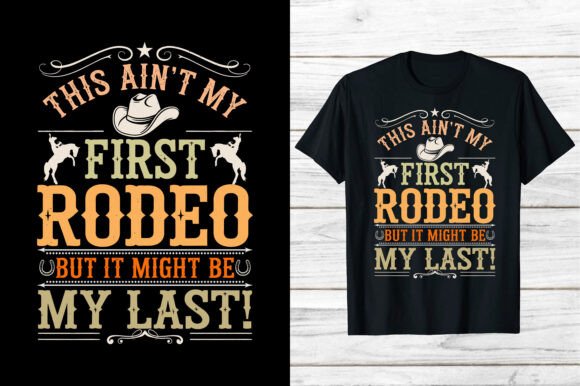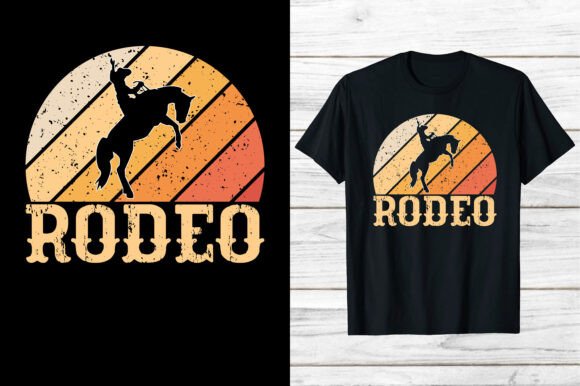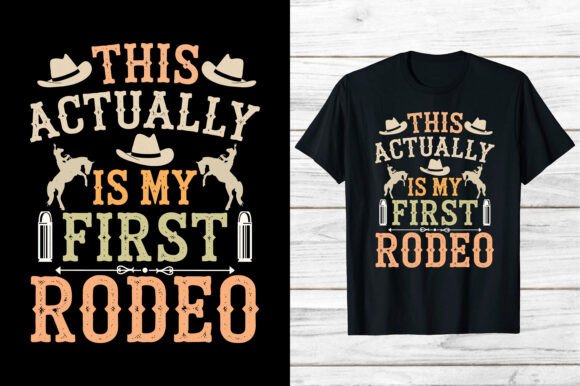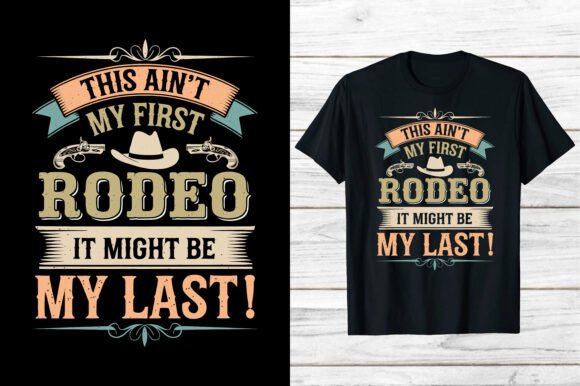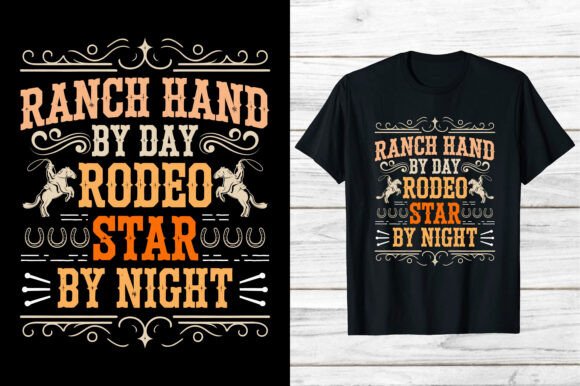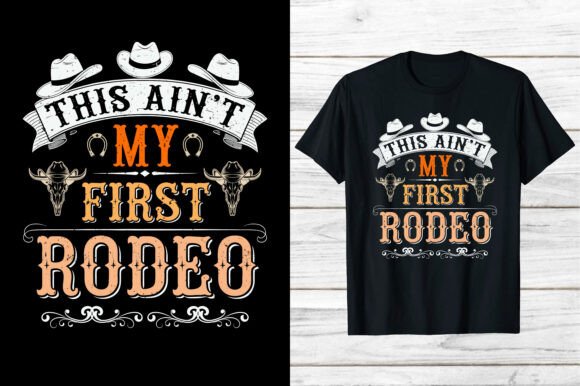
Western Cowboy Shirt First Rodeo Vintage
When I pull a new design file into my hoop for the first time, I am not just looking at pixels or vector paths. I am visualizing the needle movement, the tension of the thread, and how the final texture will sit against fabric. As a designer who reviews embroidery assets for both personal craft projects and commercial small business lines, I look for designs that translate well from screen to stitch. Today, I am evaluating the Western Cowboy Shirt First Rodeo Vintage graphic to see if it holds up under the scrutiny of real-world application.
This asset falls under the broader categories of T-Shirt Designs and Graphics, but its potential extends far beyond a simple print-on-demand tee. The vintage western aesthetic is a staple in the handmade market, yet many designs fail because they lack structural integrity when converted into an embroidery project. Here is my practical assessment of how this specific design performs in production.
First Impressions: Mood and Visual Personality
The immediate impression of Western Cowboy Shirt First Rodeo Vintage is one of rugged nostalgia. It captures the essence of a classic rodeo poster without feeling cluttered. For a designer, the layout is clean, which is crucial for digitization. The central motif—a stylized cowboy silhouette—provides a strong focal point that reads clearly even from a distance. This is vital for items like sweatshirt embroidery or large tote bag design placements where visibility is key.
The "vintage" aspect suggests a distressed or weathered look. In digital graphics, this is easy to achieve with filters. In embroidery, however, it requires careful handling. If the design relies on fine, broken lines to create that aged effect, it may struggle with thread breaks or puckering. Fortunately, this design appears to rely more on bold shapes and solid fills than intricate line work. This makes it a safer bet for machine embroidery design workflows, particularly for those producing high-volume craft business items.
Real-World Application: From Concept to Finished Product
To truly test a design, you must imagine it on actual products. Let’s look at a few scenarios where Western Cowboy Shirt First Rodeo Vintage would shine.
Custom Apparel and Boutique Merchandise
This design is naturally suited for custom apparel. Imagine a heavyweight cotton sweatshirt in heather grey or navy. Placing the western graphic on the left chest creates a subtle, professional brand mark, while a larger placement on the back offers a statement piece. The retro theme appeals strongly to buyers looking for personalized gift options for birthdays, Father’s Day, or graduation gifts. The nostalgic vibe adds perceived value, making the item feel curated rather than mass-produced.
Home Decor and Lifestyle Items
Western themes are not limited to clothing. This design translates beautifully to home goods. Picture it embroidered on a canvas tote bag design used for farmers market runs, or stitched onto a linen tea towel for a rustic kitchen. The bold lines hold up well on textured fabrics like burlap or heavy cotton blends. For holiday embroidery projects, such as Christmas stockings or advent calendar pockets, the cowboy motif offers a unique alternative to traditional seasonal icons, appealing to niche audiences.
Patches and Accessories
One of the most profitable applications for this graphic is the creation of an embroidered patch. Because the design has a clear boundary and strong contrast, it can be easily outlined with a satin stitch border. These patches can be ironed or sewn onto denim jackets, baseball caps, or backpacks. The durability of the fill stitch areas ensures that the image remains intact even after frequent washing and wear, which is a major selling point for customers buying small shop product lines.
Technical Considerations and Potential Pitfalls
No design is perfect for every situation. As a reviewer, I must highlight where caution is needed. While Western Cowboy Shirt First Rodeo Vintage is robust, certain applications require adjustment.
- Hoop Size and Detail: If you attempt to digitize this for a very small hoop size, you may lose definition. The curves of the cowboy hat and the contours of the shirt need enough space for proper stitch density. Trying to cram this into a tiny area might result in a muddy appearance where individual stitches are no longer distinguishable.
- Fabric Texture: Embroidering on highly textured fabrics, such as thick fleece or looped towels, can distort the running stitch details. The uneven surface may cause the needle to deviate slightly, affecting the sharpness of the edges. Always test on scrap fabric first to gauge how the material interacts with the thread.
- Thread Color Contrast: The success of any embroidery file depends heavily on contrast. On dark fabrics, light thread colors will pop, but on light fabrics, you may need to use a darker thread or add a backing stabilizer to prevent show-through. Be mindful of how the thread colors you choose interact with the base material.
- Stretchy Fabrics: Avoid using this design on highly stretchy materials like thin jersey knits without a heavy-duty stabilizer. The tension of the stitching can cause the fabric to pucker or warp over time, ruining the professional finish of the finished product.
Practical Designer Notes for Production
Before committing to a full run of merchandise featuring Western Cowboy Shirt First Rodeo Vintage, follow these best practices to ensure quality and customer satisfaction.
- Test on Scrap Fabric: Never skip this step. Stitch the design out on the exact fabric type you plan to sell. Check for puckering, thread breaks, and alignment issues.
- Review Stitch Density: Ensure the stitch density is appropriate for the fabric weight. Too dense, and you risk damaging delicate materials; too sparse, and the fabric may show through the threads.
- Check Small Details: Zoom in on the digital preview. Are there any tiny elements that might get lost in translation? If the design includes tiny text or fine lines, consider simplifying them during the digitization process.
- Use Proper Stabilizer: Choose a stabilizer that matches your fabric. Tear-away for stable wovens, cut-away for knits, and water-soluble for delicate or sheer fabrics. This is critical for maintaining the shape of the applique design or main graphic.
- Inspect Black and White Mockups: Convert the design to grayscale to check contrast levels. This helps you visualize how the different thread shades will separate visually once stitched.
- Confirm Licensing: Before listing this as a commercial embroidery item on Etsy or your own website, verify the license terms. Ensure you have the right to sell finished goods made from this design. Some digital embroidery file licenses restrict commercial use, so read the fine print carefully.
Final Verdict
Western Cowboy Shirt First Rodeo Vintage is a versatile, well-composed graphic that serves as a strong foundation for a variety of handmade product lines. Its bold, recognizable imagery works effectively across multiple mediums, from apparel decorators creating custom tees to Etsy sellers offering personalized gifts. By paying attention to technical details like hoop size, stabilizer choice, and thread contrast, you can transform this digital asset into a high-quality, desirable physical item. It is a reliable addition to any designer’s library of design assets, offering both aesthetic appeal and commercial viability.