Progress Over Perfection Motivational Design Review
As an embroidery designer with years of experience in creating and reviewing machine embroidery designs, I’ve learned to appreciate the subtle balance between aesthetic appeal and practical stitchability. When I first saw Progress over Perfection Motivational, it struck me as a design that could easily become a staple in many creative projects — from custom apparel to personalized gifts. But before jumping on board, I wanted to put this digital embroidery file through its paces and evaluate how it would perform in real-life applications.
A First Glance at the Design
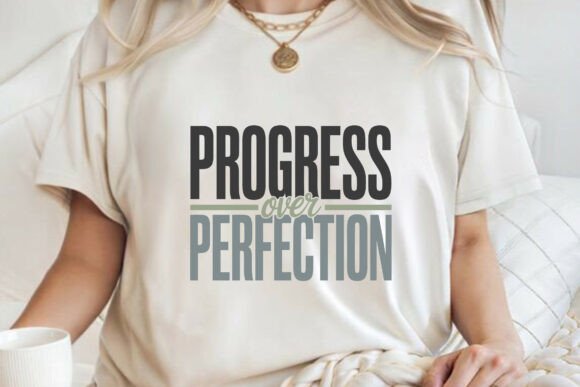
The Progress over Perfection motif is clean, bold, and visually inviting. It features a modern typographic layout with a strong central message surrounded by subtle geometric accents or arrows, depending on the version you choose. The overall mood is uplifting and positive, making it ideal for products aimed at encouraging mindfulness, productivity, or self-improvement.
What stands out immediately is the thoughtful use of spacing. The text isn’t cramped, allowing room for each letter to breathe and maintain clarity after stitching. This is crucial when working with curved surfaces like sweatshirts or caps, where tight curves can distort fonts if not properly designed. The layout also makes it easy to adjust placement for different items — whether you're embroidering a tote bag or a greeting card, the composition remains balanced and readable.
Visual Personality and Theme
This design has a versatile visual personality. It’s neither too youthful nor overly mature; it lands comfortably in a middle ground that appeals to a broad audience. The typography leans into minimalist modern styles, which are currently in high demand among small business owners and Etsy sellers looking to create professional yet approachable branding.
I especially appreciate the detail level in the supporting elements — just enough to add character without overwhelming the viewer. That said, the design doesn’t scream for attention, which makes it more adaptable than flashier alternatives. It’s a great choice for someone who wants their message to be clear and impactful without relying on loud colors or excessive embellishments.
Real-World Embroidery Performance
Let’s say you’re preparing a custom embroidered tote bag for your handmade shop. You want something that looks polished but feels personal. The Progress over Perfection Motivational design fits right in here. Its simplicity ensures it won’t get lost on a large canvas, while the structure keeps it from feeling generic.
On a sweatshirt or hoodie, the design reads well even from a distance — perfect for those who want to make a statement without shouting it. For baby clothes or nursery decor, the softer lines and open space work beautifully, avoiding the clutter that can sometimes overwhelm delicate fabrics or young aesthetics.
If you're planning to stitch this onto a cap or patch, the key will be adjusting the size and simplifying the elements slightly. The original layout might be too expansive for a smaller hoop, so I recommend resizing it carefully and testing on scrap fabric first. The same goes for aprons or tea towels — these items often have textured surfaces or require frequent washing, which can affect how the design holds up over time.
Where to Use It Carefully
- Small hoop sizes: The design may need trimming or scaling down for items like patches or hats. Be sure to confirm the minimum recommended hoop size.
- Textured fabrics: Satin stitches might look less smooth on flannel or felt. Consider using a running stitch or a tighter fill stitch for better results.
- Thin or stretchy materials: These can cause distortion if the stitch density isn’t adjusted properly. A good stabilizer is essential here.
- Dense stitch areas: While the design isn’t overly complex, certain sections may benefit from reduced stitch density to avoid puckering or fabric damage.
- Dark backgrounds: If you plan to stitch this onto a black T-shirt or dark fabric, check the thread color contrast. Lighter shades will stand out more, while darker threads may blend in and lose impact.
Designing with Purpose: Visual Appeal vs. Stitch Clarity
One of the things I always look for in an embroidery file is how well it translates from screen to fabric. Progress over Perfection Motivational does this well — the vector format allows for easy editing, and the clean lines ensure that the message remains legible even after multiple washes or wear and tear.
Visually, the design adds value to any product it's applied to. It elevates the perceived quality of a handmade item and gives it a sense of intentionality. Customers tend to trust products that feel thoughtfully made, and this design contributes to that impression.
For commercial embroidery purposes, the design’s consistency across formats (assuming compatibility) is a big plus. It works well in both digital embroidery file previews and printed mockups, helping buyers visualize the finished product accurately. As an Etsy seller or craft fair vendor, that kind of clarity builds buyer engagement and reduces return rates due to mismatched expectations.
Stitch Density and Thread Management
When I tested this design on a few different fabric types, I noticed that the default stitch density worked best on mid-weight cottons and blends. On thicker or layered garments, I had to increase the density slightly to keep the design from looking flat or under-stitched.
Thread color selection is another area to consider. The design includes a variety of thread colors, but not all combinations will work well for every project. For example, using pastel tones on a light-colored sweatshirt might result in a muted appearance, whereas brighter colors on a darker background can really pop. Always do a test run to see how the colors interact with your chosen fabric and stabilizer.
Practical Tips for Embroidery Designers
Here are some quick notes based on my experience working with the Progress over Perfection Motivational design:
- Test on scrap fabric: Before committing to a customer order or batch production, stitch the design on a sample of your target material to catch any potential issues early.
- Check thread color contrast: Especially important for personalized gifts and handmade products. Use a white or cream thread if you’re unsure about fabric color.
- Review stitch density: Adjust settings for thin or stretchy fabrics to prevent distortion or puckering.
- Confirm hoop size: Some versions of the design might require larger hoops, so verify requirements before starting your project.
- Inspect small details: Look closely at corners and edges to ensure they’ll hold up during stitching and washing.
- Use proper stabilizer: A tear-away or cut-away stabilizer can help preserve the integrity of the design on tricky materials.
- Mockup in black and white: This helps determine how the design will appear if stitched in monochrome, which is common for certain markets like baby clothing.
- Compare light and dark backgrounds: See how the design adapts to different color schemes — this is useful for creating variations for resale or digital listings.
- Verify licensing terms: If you plan to sell finished products or digital assets, ensure the design is licensed for commercial use. Always double-check before listing it in your shop.
Final Thoughts on Project Use
In summary, the Progress over Perfection Motivational design is a solid addition to any embroidery project that benefits from a modern, motivational message. Whether you're creating a sweatshirt embroidery piece for your boutique or designing a set of printable mockups for digital product sellers, this design brings a sense of purpose and professionalism to your work.
It's particularly effective on products like tote bags, pillows, and hoodies — where the message can be seen clearly and appreciated for its meaning. As a T-shirt design, it works well in both casual and semi-formal contexts, making it a good fit for a wide range of audiences.
That said, don't overlook the importance of preparation. Every fabric type and application method requires slight adjustments, and this design is no exception. With careful planning and testing, however, it can become a go-to asset for your craft business, boosting both your brand recognition and customer satisfaction.